Ellen Vora, MD
  • Dr. Vora
  • Book
  • Resources
  • Speaking
  • Contact
  • Instagram
  • Facebook
  • YouTube
  • TikTok

It’s Time To Talk About Post-Weaning Depression

by Ellen Vora, MD on Sep 13, 2019 / Share

Originally published in Medium
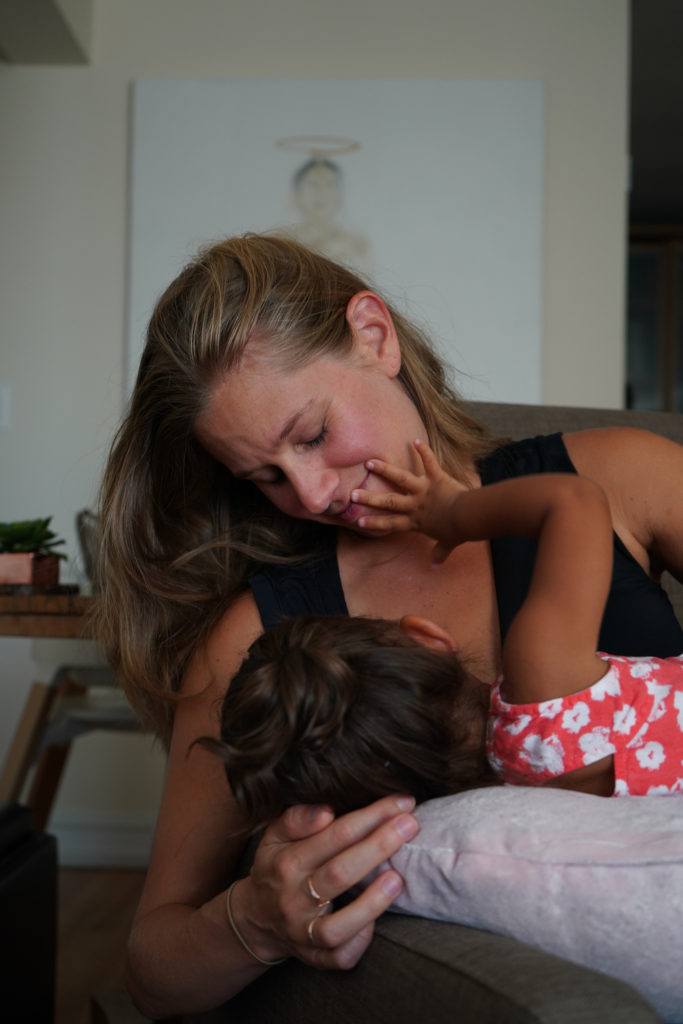
Post-weaning depression is a real phenomenon. Many of my breastfeeding patients experience ‘blues’ after weaning. They sometimes feel sad, anxious, or irritable. This can be due to the hormonal shift, nostalgia, or the adjustment in your relationship with your child. 

One way to honor these feelings is to give yourself time to process it, rather than moving on with life business as usual. You can treat it like a small mourning process. It’s the end of one phase and the beginning of a new one. Be with the impermanence of it all. 

If you’re struggling, gift yourself in a few important ways: eat nutrient-rich foods, get to bed early so you can get more sleep, and outsource household chores wherever you can manage. 

The good news is that post-weaning mood changes generally only lasts a few weeks. If it continues, let that be a reason to seek help. 

Read more

Photo: Peter van Agtmael

9 Easy Ways To Reset Your Diet At The End Of Summer

by Ellen Vora, MD on Sep 12, 2019 / Share

Originally published in mindbodygreen

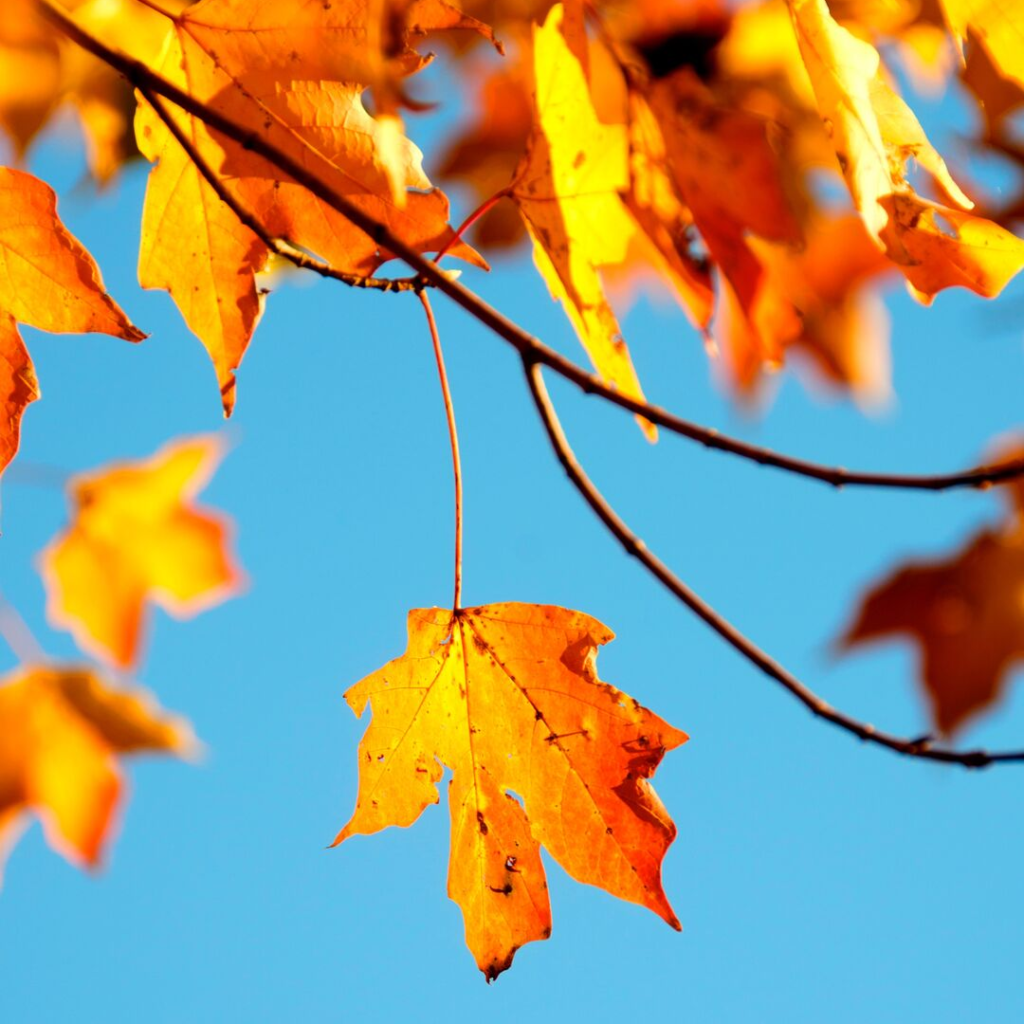
The transition to fall is a beautiful opportunity to tune in to your body’s needs, which change with the seasons. I always see if I’m craving warmer foods or fewer raw vegetables or cold foods. I see if my body starts wanting more substantial, grounding foods. I sometimes find that as the weather gets cooler, my body starts wanting heavier foods. Be the squirrel stocking up on acorns as winter approaches.

Read more

Light Sensitivity

by Ellen Vora, MD on Sep 11, 2019 / Share

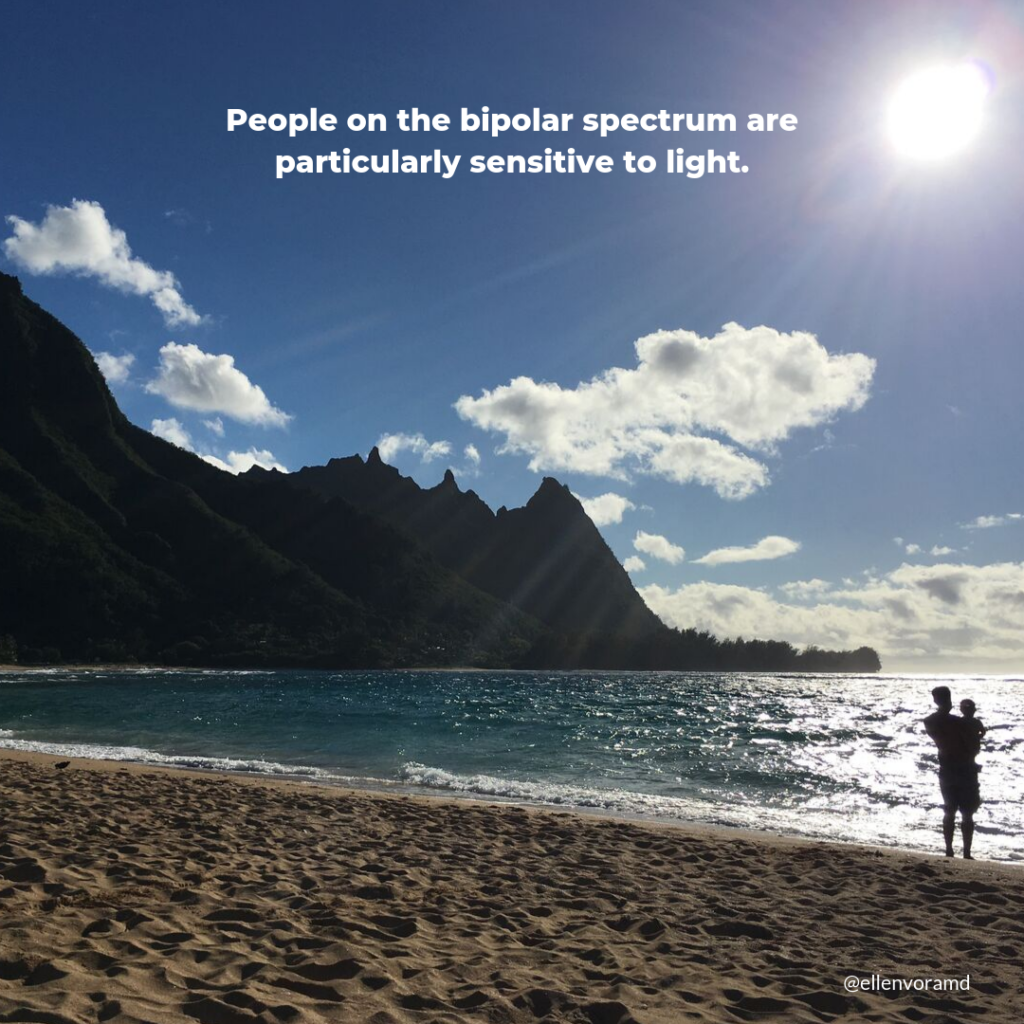
Many people on the bipolar spectrum are exquisitely sensitive to light. If this applies to you, help keep your mood stable by getting adequate natural light exposure during the day, and give yourself the gift of authentic darkness at night. Minimize screens and overhead lighting after sunset. This helps program a healthy circadian rhythm, which keeps your mood stable.

Always Choose People

by Ellen Vora, MD on Sep 10, 2019 / Share

Always Choose People

When someone asks me what’s my #1 tip for better health and well being, I usually say something like go to bed early, get the phone out of the bedroom, or err on the side of eating real food instead of fake food. But I realized today my real #1 tip is to always choose people. When you could spend a Saturday surfing social media, choose hanging out with people in real life instead. If you’re listening to a podcast while doing dishes, call someone you love instead. If it’s inconvenient or a hassle to share your space with other people, and they trigger you, and leave the toilet seat up and don’t use coasters (the horror!), choose to share your space with people anyway. Relationships are messy–embrace that mess. If you find it uncomfortable and vulnerable to put yourself out there trying to make friends, get vulnerable, rather than staying closed, cool, and safe. Just choose people, every. single. time. Unless you’re introverted, in which case, choose a hefty dose of solo recharge time, and when you’re ready, choose people again. This is really the only key to a fulfilling life that matters at the end of the day. I mean, along with gluten and blood sugar and sleep and stuff. But I’ll admit it–people matter even more.

Portugal’s Policy on Drugs

by Ellen Vora, MD on Sep 9, 2019 / Share

Portugal has decriminalized drugs. Not just cannabis–all drugs. I think this is such an enlightened approach to substance issues. Rather than telling drug users, “you’re bad, you’re a danger to society, go to jail,” they say, “you have a problem, let’s help you rehabilitate.” The criminalization approach, like we have in the US, is expensive, it ruins lives, it doesn’t really “work” to deter people from using or help drug users get clean, and it is a systemically racist policy that disproportionately impacts people of color. The real beneficiaries of our prohibition state are the wine and spirits industry, the pharmaceutical industry, and the prison-industrial complex. 

One day in Portugal I saw 2 people in uniform responding to a seemingly high, slumped over homeless person. Were they cops busting him? Nope. They appeared to be social workers or case workers, and they were asking him questions and taking notes on a clipboard. They were trying to HELP. Can you imagine?! It’s sad to me that it was such a foreign concept–government officials trying to help a substance-abuser. 

My brilliant sister Anne Gerson had the following insight: cannabis is not a gateway to other drugs, it’s a gateway to criminality. In a prohibition state, if you smoke weed, then you know a drug dealer. Once you know a drug dealer, you have access to cocaine, opiates, etc. Introduce a particularly bad life stressor (e.g., withdrawing from prescribed opiates after a dental procedure), and you have a recipe for a problem. With decriminalization, resources can be put toward helping people rehabilitate. Safer substances become available. Social customs emerge around safe use. And substance use is no longer a path to criminality. We have a long way to go, America, but I believe we can get there.

It’s Time To Rethink Our Relationship With The Sun

by Ellen Vora, MD on Sep 6, 2019 / Share

Skin cancer risk is real. Premature aging due to excessive sun exposure is real, too (but should we be prioritizing vanity over health? Actually, don’t answer that…). But when it comes to the relative risks and benefits of sun exposure, I think we’ve tipped too far in the direction of fearing the sun. Our health has suffered as a consequence.

Some people are more at risk for skin cancer (fair skin, red/blonde hair, light eyes, family history of skin cancer), so for you folks, exercise more caution. But I think we have forgotten that sun also makes us healthy. It strengthens our immunity, boosts our mood, improves bone density, and promotes the production of vitamin D, which is a hormone critical to so many processes in the body, from preventing obesity, diabetes, and autoimmune disease to improving mood and sleep. And to be honest, I don’t think supplementing with vitamin D is a sufficient substitute for sunshine exposure.

When I see parents slathering their kids in sunblock like their lives depend on it, when I see people spraying the nanoparticle aerosol sunblock (negatively impacting air quality and lung health for everyone around you), feeling like they’re being a good and law-abiding citizen, I wonder if they’ve blindly accepted the sun-fearing party line without questioning whether it makes sense in all situations. Meanwhile, my practice is full of people suffering from illnesses that would all be improved with more sun exposure, and basically 100% of my patients have vitamin D deficiency. I believe well-meaning dermatologists and profit-incentivized sunblock manufacturers have swayed us too far. And for most people with melanin in their skin, the risks of vitamin D deficiency from inadequate sun exposure far outweigh the risks of skin cancer.

For all of us, our body usually tells us when we need more sun (does your skin crave the sensation of being warmed by the sun?) and when we’ve had too much (Get me out of here! Must find shade). Try a new relationship to the sun: be reasonable and responsible, wear a hat, sit in the shade during the times of day with the strongest sun, don’t get burned, and the rest of the time, let the sun kiss your skin and enjoy that feeling and all the downstream benefits to your health. 

For further reading, see this article.

Europe Is So Much More Energy-Efficient Than The US

by Ellen Vora, MD on Sep 5, 2019 / Share

Have you ever noticed how much more energy-efficient Europe is compared to the US? The cars are smaller (and usually manual transmission), the restaurants and stores are rarely air conditioned, the washing machines are tiny and energy-efficient, the clothes dryers are…basically non-existent (let the sun and air dry your clothes). The bathroom lights and stairwell lights in apartment buildings are motion sensored, and the hotel room electricity is controlled by the key (when you leave, you turn off all the lights and A/C). The elevators are tiny. Even the garbage collection infrastructure is more energy-efficient (people carry their trash to centralized depositories, so there are fewer stops for the garbage trucks). Getting back to the states and being greeted by our enormous washer/dryers, our bloated SUV’s, and the fact that every store has its A/C blasting, even with the doors wide open to the street…it makes me realize more than ever that we could easily live like Europeans and it would hardly impact our quality of life. Except that I wouldn’t have to pack a wool sweater in order to sit comfortably in a restaurant or office building, and I would be a terror on the road driving stick… 

What other energy efficiencies have you noticed in other parts of the world?

Reflections on Portugal

by Ellen Vora, MD on Sep 4, 2019 / Share

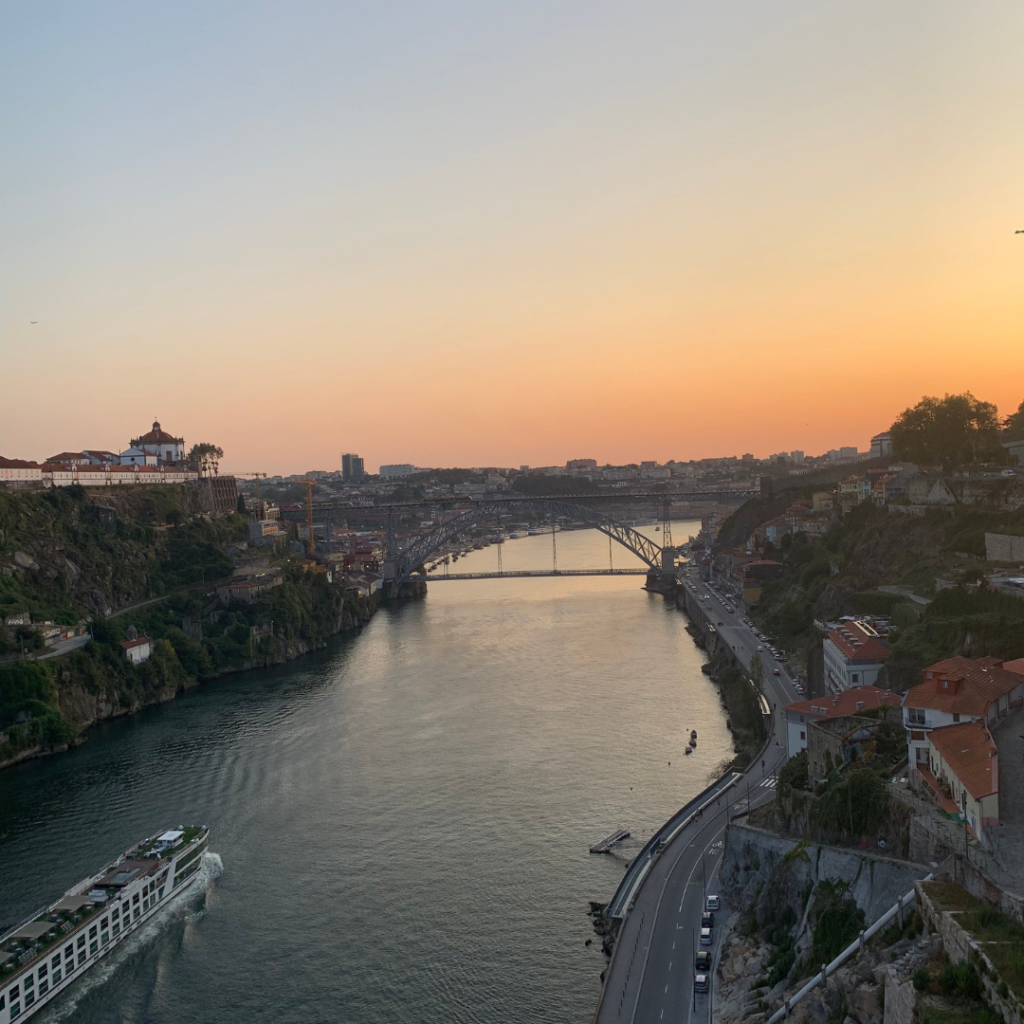
I just got back from spending 2 weeks living and working in Portugal. I have too many reflections to list, but let me focus on one for now:

In the U.S., we have a growing niche of weirdos like myself who obsess over health and wellness. It’s unlike anywhere in the world. Do you know why the U.S. is leading the charge on health and wellness? Because we have the biggest problem to fix. Our agriculture, food traditions, medical practices, and the pharmaceutical domination over our population, have driven us to such a state of imbalanced health that we’ve reached a tipping point. Now people orient their lives around healthy eating and wellness practices just to stay well. In the U.S. I work so hard to be well. I shop at farmers markets, I filter my tap water, I soak in epsom salt baths, I avoid the pizza at my daughter’s classmate’s birthday parties (that last one is by far the biggest sacrifice). Do I do this to torture myself, or because I hope to avoid my own mortality? No. I do this because when I don’t, I get acne, bloating, constipation, irregular periods, my mood plummets and I can’t focus. Believe me, I have tested this theory about a thousand times. When I’m in Portugal, I just eat. Whatever looks good. I listen for what my body needs, and I reach for the food that’s around. I eat the pizza, and the pasta, I drink the cappuccino, and the beer. And my body stays in a state of balance. The produce is not sprayed with RoundUp, the cows are not a strange Holstein breed producing more inflammatory milk, the farms are small and the soil is rich in nutrients. The reason there isn’t a billion dollar wellness industry in Portugal is that you can be well just living your life. Is there any hope for us in the U.S.? RoundUp legislation alone would get us part of the way there. I believe it’s possible…

Reflections on Burning Man

by Ellen Vora, MD on Sep 3, 2019 / Share

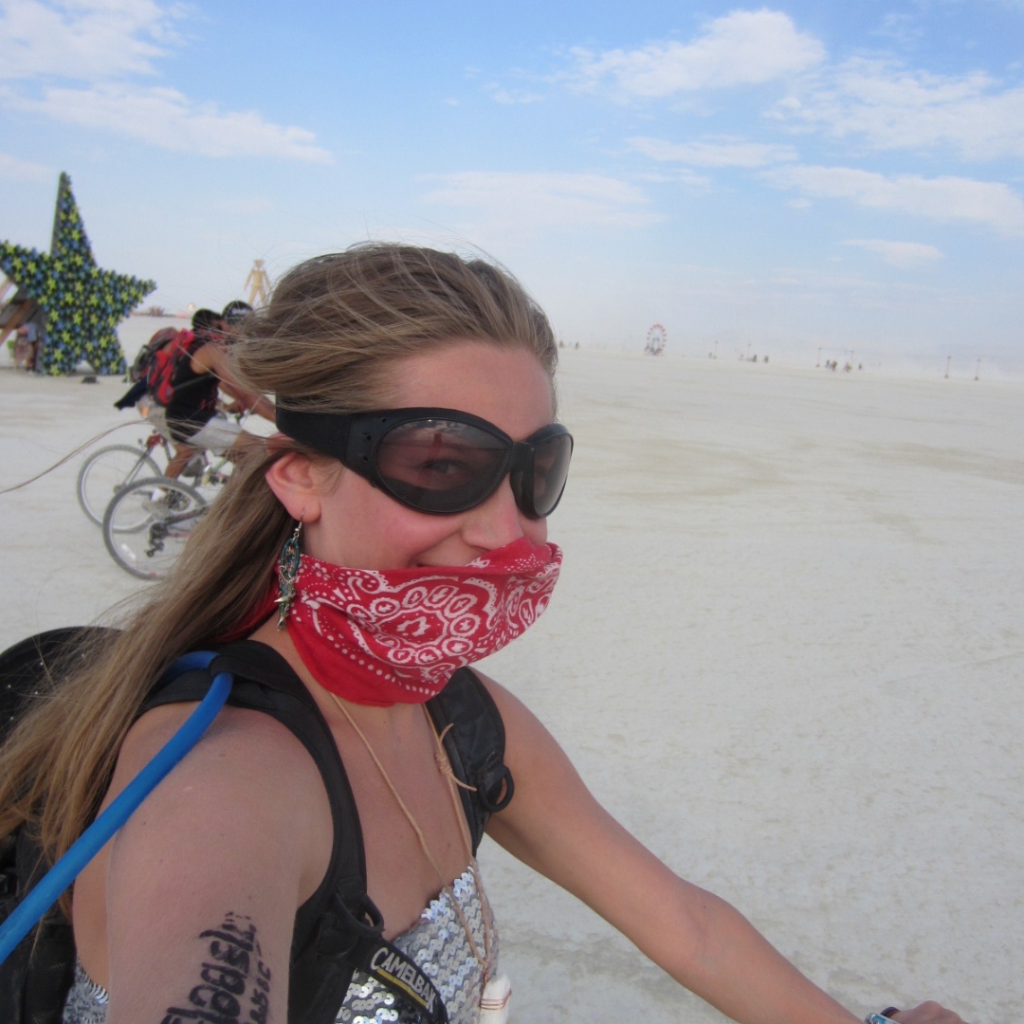
Burning Man

Seeing everyone returning from burning man has got me reflecting on lessons I learned from that magical experience.  

  1. The most important thing any of us can ever do is connect with other humans.
  2. Removing phones, computers, and commerce help set the stage for us to connect in real life.
  3. The burning man principle of “radical inclusivity” should just be the philosophy all the time. In junior high, we’re effectively taught how to carry out radical exclusivity in order to pin down friendships and establish our place in the hierarchy of “cool.” It’s the literal worst. When we practice radical inclusivity, we move past the cool hierarchy and just show up open-hearted for everyone. It also makes us more comfortable approaching others. 
  4. Gifting takes us out of our scarcity mindset. When you’re surrounded by generosity, it becomes easier to be generous. And we’re all happier when we’re giving to others. 
  5. Radical self-expression. Full stop. Aren’t we all just here to be as authentically ourselves as we could possibly be? If you haven’t already dropped the need to look/act/pose/speak/work/earn a certain way to please others, I invite you to begin this very second. 
  6. Everyone looks good when coated in a layer of fine dust. 

Eating For Your Brain

by Ellen Vora, MD on Aug 30, 2019 / Share

Originally published in People

I’m honored to be quoted in this week’s People magazine article “Eating For Your Brain” featuring Max Lugavere.

Max is helping us understand that there are things you can do with diet and lifestyle that slow cognitive decline…and also help with heart disease, cancer prevention and mental health.

You can purchase the issue and read the full article wherever you buy magazines. 

Previous
Next

Free Guide!

Sign up with your email to receive 4 Keys to Health.

Recent Posts.

  • Middle Sleep
  • 6 Steps to Better Immunity
  • Gradually Reducing Caffeine Can Be an Act of Radical Self Love
  • Boundaries: Setting Relationships Up For Success
  • Bipolar Might Be…
  • Anxiety is the Tone of Modern Western Culture
  • A Reflection on “Personal Responsibility”
  • Normalize Miscarriage
  • Trust Yourself
  • When We Say “Yes” But We Really Mean “No”…
  • ADD is Sometimes…
  • 6 Tips for ADHD
  • A Message For NYC
  • Feeling Anxious and You’re Not Sure Why?
  • Vitamin D
  • It’s Always Both
  • Caffeine & Consistency
  • These Conditions Travel Together…
  • These Conditions Travel Together
  • 8 Tips for Borderline Personality
  • Safetyism
  • Switch Up Your Date Nights
  • Nature Playground
  • Nature is the Medicine
  • Anti-Racism is Action
  • Screens Play an Underappreciated Role in Immunity
  • Possible Root Causes of Anxiety
  • GABA, Melatonin, & Vitamin D are the Endangered Species of Modern Life
  • Is Temperature Affecting Your Sleep
  • How to Respond to Criticism
  • All Struggle Is Valid
  • The Key to Taking Care of Ourselves Now
  • My Favorite Medicine
  • Keep It Simple, Keep It Local
  • Which Exercise is Best?
  • Avoid Fake Food
  • Missing Spring
  • Social Distancing
  • Meditation
  • Waking Up With Anxiety? It Might Be Medication Withdrawal
  • The Challenge of Modern Life Is Having a Properly Calibrated Immune System
  • Mindfulness Exercise for Parents
  • Simplifying Our Lives
  • A Simple Shift
  • Social Distancing Looks Very Different Depending On Circumstances
  • Self-Care Is An Outcropping of Capitalism
  • The Need To Feel Witnessed
  • You Are Enough
  • Healing Anxiety Starts with Blood Sugar
  • No Shame, No Judgment: How to Deal with Depression and Anxiety – Women of Impact Interview
  • 8 Ways to Reduce Anxiety
  • Gut Health, Inflammation & Mood
  • What It Means To “Do The Work”
  • Navigating Our Broken Medical System
  • Pregnancy Loss
  • 3 Tips to Prioritize Sleep and Avoid Burnout
  • Shut It Down
  • Normalize Miscarriage
  • Sleep Procrastination — How I Finally Stopped
  • Healthy Eating vs Social Connection
  • Eat Real Food
  • My 2020 Wellness Predictions
  • The Tweak I Made To The Kondo Method That Totally Works For Me
  • Can Trauma Really Be ‘Stored’ In The Body?
  • Gut Health = Health
  • The Health Impact of Loneliness – The Phoenix Helix Podcast
  • Managing Life’s Storms – The Magik Vibes Podcast with Kelsey J Patel
  • Is Hitting The Snooze Button Really That Bad For You?
  • Optimize Your Sleep
  • How to Move From Loneliness to Connection
  • Are Instagram Filters Harmful?
  • Stop Scrolling
  • Fight The Daylight Saving Slump With Time Outside
  • Do *This* First Thing In The Morning If You Wake Up Tangry (Tired + Angry)
  • What 4 Health Experts Are Doing To Prep For Winter Right Now
  • Easy Self-Care Advice for Stress-Free Meal Prep
  • Instead Of TV, Try This
  • Letting Ourselves Be Sad
  • Have Anxiety About Work? Try This
  • Holistic Strategies to Beat Stress & Anxiety – Happier & Healthier Podcast
  • Your Gut Issues Aren’t Just In Your Head
  • The Best Healthy Lunches To Pack For Kids
  • How to Manage Stress and Anxiety Through Diet and Lifestyle Changes – Mrs Startup Podcast
  • Podcasts vs. Silence
  • It’s Time To Talk About Post-Weaning Depression
  • 9 Easy Ways To Reset Your Diet At The End Of Summer
  • Light Sensitivity
  • Always Choose People
  • Portugal’s Policy on Drugs
  • It’s Time To Rethink Our Relationship With The Sun
  • Europe Is So Much More Energy-Efficient Than The US
  • Reflections on Portugal
  • Reflections on Burning Man
  • Eating For Your Brain
  • Got Gas & Bloating — Even While Eating Super Healthy? These Expert Tips May Help
  • Why You Should Prioritize Family Dinner + Easy Tips To Make The Most Of It
  • Stress And Anxiety Are Serious
  • 9 Food & Health Pros Share Their Best Tips For Saving $$$ On Healthy Food
  • My #1 Sleep Tip
Dr. Ellen Vora

About Me.

Dr. Vora takes a functional medicine approach to mental health–considering the whole person and addressing the problem at the root, rather than reflexively prescribing medication to suppress symptoms.

She specializes in depression, anxiety, insomnia, adult ADHD, bipolar and digestive issues.

More

  • Dr. Vora
  • Resources
  • Blog
  • Speaking
  • Group
  • Contact
  • Instagram
  • Twitter
  • Facebook
  • YouTube
© 2026 Ellen Vora, MD.
Site by SPYR
✕
  • Dr. Vora
  • Book
  • Resources
  • Speaking
  • Contact
  • Instagram
  • Facebook
  • YouTube
  • TikTok